



Nebraskan Innovations
The annual theme for 2027's National History Day competition is "Innovation in History: Impact, Influence, Change." There are many ways to approach the theme, but your topic must address innovation. Let's look at some definitions:
Cambridge: a new idea or method; the creating and use of new ideas or methods
Dictionary.com: something new or different introduced; introduction of new things or methods
Merriam-Webster: a new idea, method, or device; the introduction of something new
Wikipedia: the practical implementation of ideas that result in the creation or improvements of goods or services.
And an etymology from etymonline:
mid-15c., innovacion, "restoration, renewal," from Late Latin innovationem, noun of action from past-participle stem of innovare "to change; to renew," from in- "into" + novus "new". Meaning "a novel change, experimental variation, new thing introduced in an established arrangement" is from 1540s.
Notice the repeated emphasis on "new"-ness. For your topic to fit this year's theme, it needs to relate to something that was new and different in its time, a change in how things were done. As you consider your topic choice, consider these Nebraskan innovations and innovators:
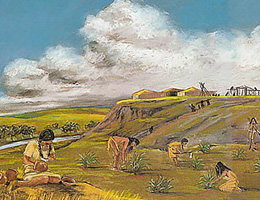
Nebraska's First Farmers
The farmers of the Neolithic Revolution were some of the first innovators, and some of the most important. They changed how humans got their food by replacing hunting and gathering with intensive agriculture. Their innovation prompted communities to become more complex and organized, paving the way for civilization.
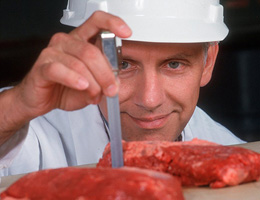
The Changing Science of Beef Production
The beef industry has been a major piece of Nebraska’s economy throughout the history of the state. Over time, innovations in science and technology have transformed how beef is raised, slaughtered, packaged, and shipped.
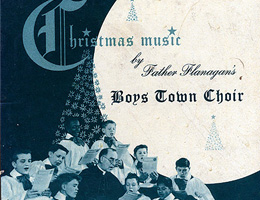
Father Flanagan and Boys Town
Boys Town was founded as an innovative approach to addressing the needs of society’s overlooked young boys. Today Boys Town continues to innovate in the fields of education and medicine.
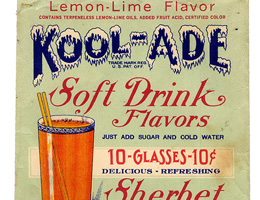
Edwin Perkins: Kool-Aid Inventor
Hastings native Edwin Perkins invented the powdered drink concentrate originally known as "Kool-ade" in 1927. Kool-aid has since become a staple in American pantries.
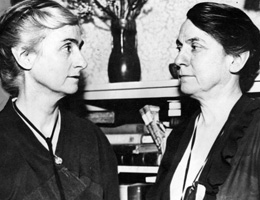
The Abbott Sisters
Through decades of work in the federal government and the University of Chicago, Edith and Grace Abbott worked together to transform the field of social work into a true profession built on expert training, academic study, and scientific research.
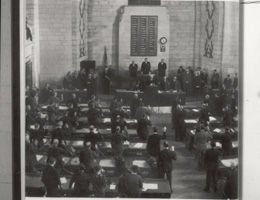
Nebraska’s Non-Partisan Unicameral
Nebraska is the only state with a non-partisan, unicameral legislature. This innovation was the result of a progressive movement for a more open, accountable, and efficient state government.